September 28, 2024
The Future of Shopping: How Machine Customers Will Transform Retail
Introduction
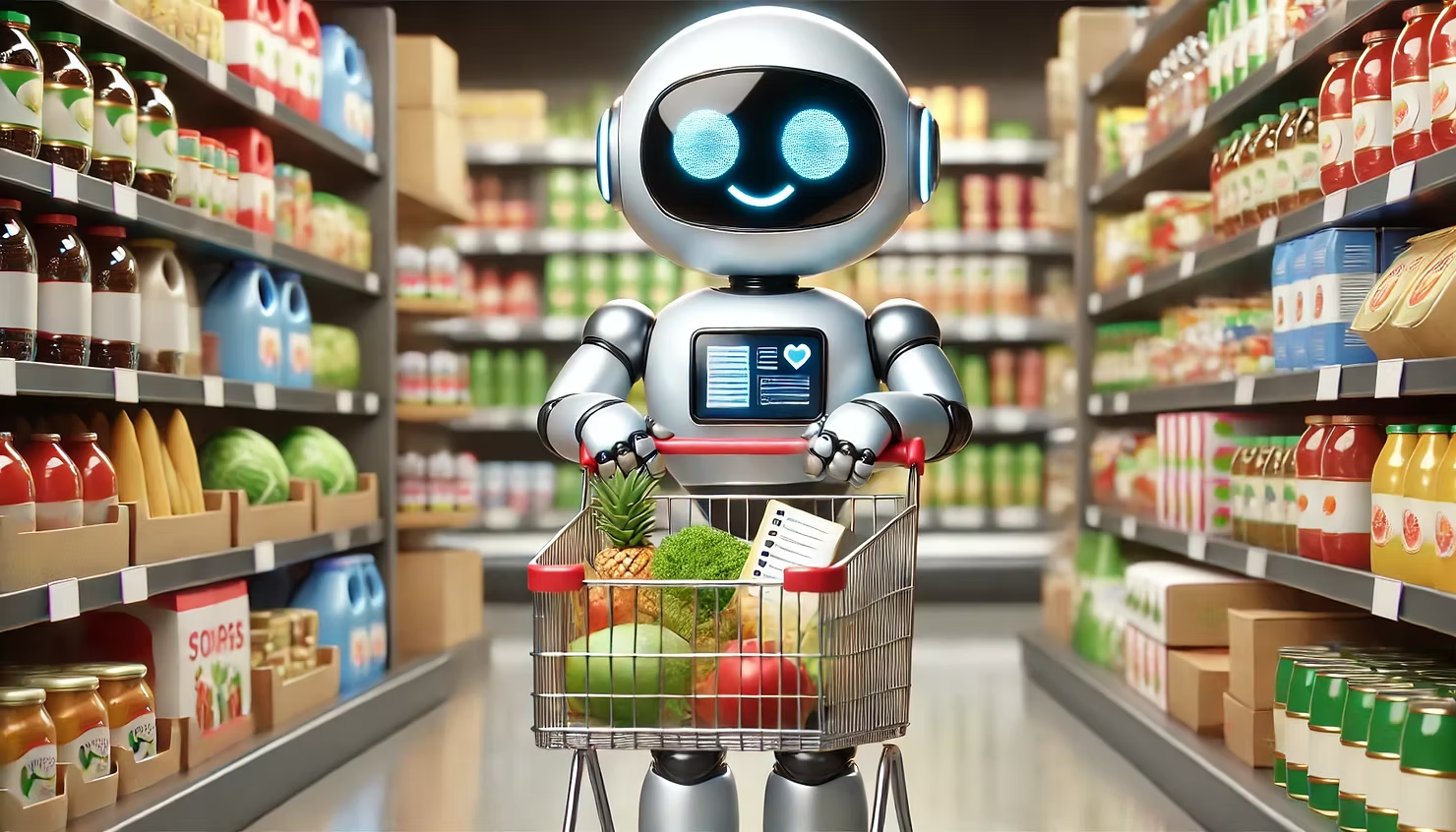
Gartner's 2024 Hype Cycle for Emerging Technologies places machine customers at the "Peak of Inflated Expectations." These are software agents that decide what to buy on their own, and they are already starting to show up in retail. Gartner expects them to handle 25% of consumer and business purchases by 2030.
This post covers what machine customers are, how they're likely to change retail, and what retailers, software engineers, and researchers should know about them.
What are Machine Customers?
Machine customers are autonomous systems that make purchasing decisions on their own. They decide based on preset rules, on context, or on needs they infer. Unlike people, they choose on efficiency, logic, and data rather than emotion or impulse. A machine customer can be an algorithm built into a device, an AI assistant, or a robot, and it might buy anything from groceries to parts for a supply chain.
The Phases of Machine Customers
Gartner's research describes three phases:
- Bound customer: The machine buys according to rules a person sets, and the person keeps most of the control. The machine just carries out the task (for example, Amazon Dash Replenishment).
- Adaptable customer: The machine chooses between competing products based on preferences and rules. Gartner expects this phase to peak around 2026.
- Autonomous customer: The machine decides and acts based on needs it infers from the wider context. Gartner expects this by 2036. At this stage the systems will have needs of their own and make complex decisions the way a person would.
The Impact on Retail
Machine customers will change how retailers sell:
- Simpler decisions: Retailers will have to design products and services for algorithms, not human emotions. Machines will buy on efficiency, cost, and reliability.
- A different audience to market to: Marketing built on emotional triggers will matter less. Retailers will need to supply data that convinces a machine their product is the best choice, against more and more competitors.
- Efficiency and automation: Machine customers will make buying faster, with less friction and less human involvement. For businesses, that could mean faster transactions, fewer errors, and leaner supply chains.
Challenges and Risks
Machine customers also bring problems:
- No emotional intelligence: Machines don't have emotions, which makes things harder for businesses that depend on customer loyalty or brand identity.
- Trust and security: Who is accountable for a purchase a machine makes? As these systems gain autonomy, security, fraud, and trust become serious questions.
- Ethical problems: Machine customers may favor the cheapest items and pass over products that are ethically sourced or better for the environment.
How Retailers Can Prepare
To sell to machine customers, retailers should:
- Invest in data: Machines run on data. Retailers should publish high-quality, structured data that autonomous systems can read easily.
- Build for machines: Make buying fast, transparent, and efficient, with systems that plug directly into how machines decide.
- Use AI and ML: Retailers will need their own AI models that can deal with machine customers, spot trends, make recommendations, and keep them competitive.
- Work with developers: Partner with machine learning developers so your systems are ready for autonomous purchasing as it develops.
The Future of Emotional AI in Machine Customers
Today's machine customers decide on logic and data. Future advances in emotional AI could let machines simulate something like human emotion. Machine customers might then weigh brand loyalty, ethics, and customer experience when they decide.
For retailers, that could mean building closer relationships with machine customers through algorithms designed to respond to emotion. A machine might prefer brands that match a commitment to sustainability, or choose personalized products based on recommendations meant to show empathy. It also raises ethical questions. Could emotionally aware machines be manipulated through emotional triggers or biases?
If emotional AI reaches machine customers, retail could move from purchases driven only by efficiency toward purchases shaped by emotion.
Conclusion: A Machine-Driven Future
Retail is set to change as machine customers become common. By 2030 machines will make a large share of purchases, and retailers will need better data, AI, and efficient processes to keep up. Emotional AI adds another layer, since machine customers may come to weigh loyalty and ethics too. Retailers, developers, and researchers should prepare for machines that decide on logic and, eventually, on something like emotion.
Start now. Gartner puts the market for machine customers in the trillions of dollars, and the businesses that get ready early will have the advantage.