October 15, 2024
Entrepreneurial Software Engineer vs Traditional Software Engineer: What Sets Them Apart?
Introduction
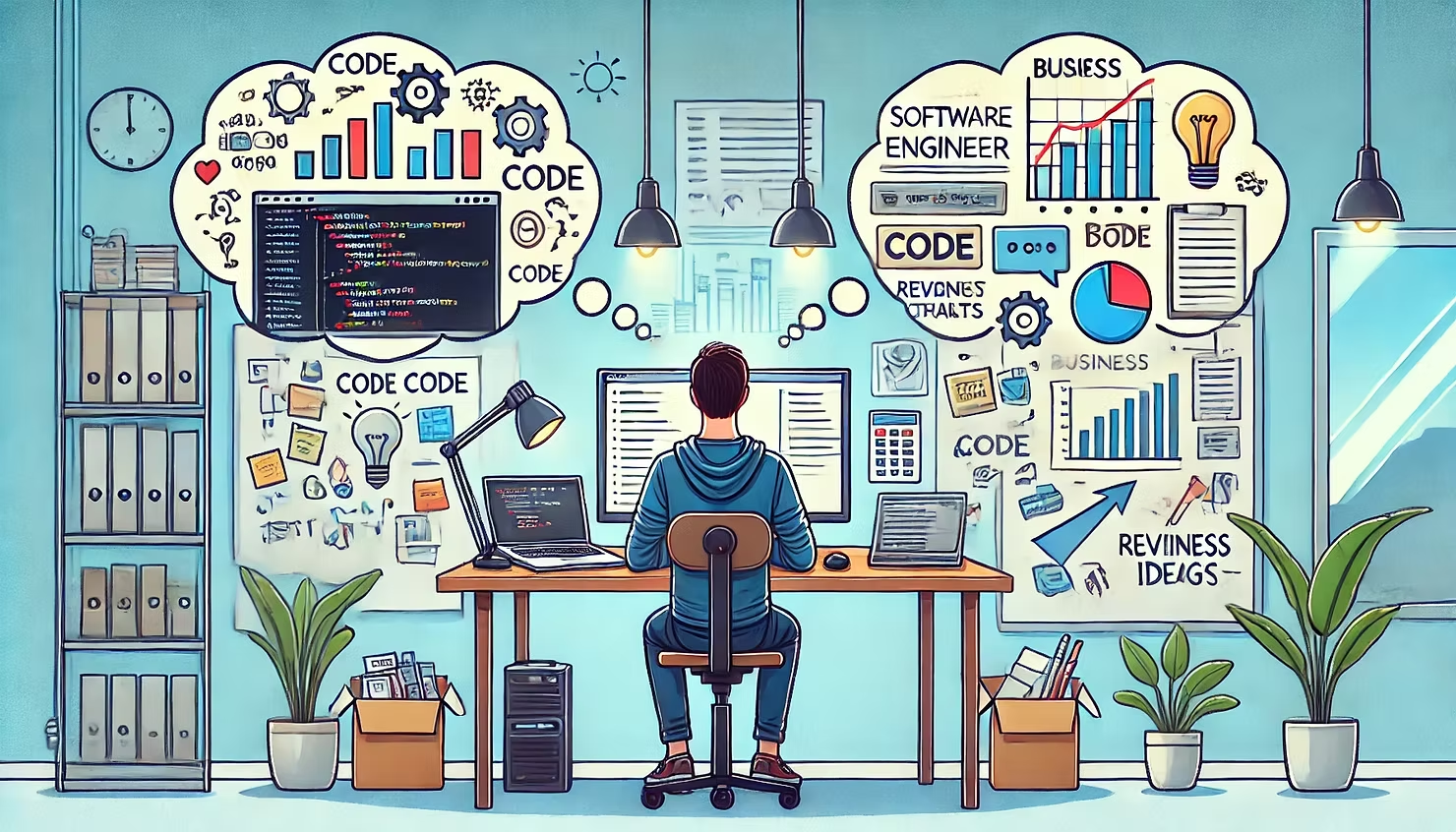
Companies now expect more from software engineers than clean, efficient code. One group that meets that expectation is entrepreneurial software engineers: people who combine technical skill with business sense. They help products succeed by trying new ideas, understanding what customers need, and tying technical work to business growth. Startups need them, and so do larger companies that want to keep moving.
This post covers how entrepreneurial engineers differ from traditional ones, the traits that mark them out, some real examples, and how they help companies compete.
What is an Entrepreneurial Software Engineer?
An entrepreneurial software engineer works between technology and business. Traditional engineers focus on the technical work. Entrepreneurial engineers also think about how their code can solve business problems. They own the outcome of the product, from development and deployment to user feedback and growth.
Startups need this way of thinking because money and people are short and everyone covers several roles. In larger companies, entrepreneurial engineers speed things up by finding bottlenecks and proposing fixes that serve business goals.
They also take part in product management, UX discussions, marketing, and business analysis, which keeps technical and business plans pointed the same way.
Key Differences Between Entrepreneurial and Traditional Software Engineers
| Aspect | Entrepreneurial Software Engineer | Traditional Software Engineer |
|---|---|---|
| Mindset | Thinks about the business impact of their work. | Focuses on building technically sound software. |
| Problem Solving | Prioritizes quick, practical solutions that deliver value fast. | Emphasizes correctness, structure, and long-term maintainability. |
| Business Knowledge | Understands market trends, ROI, and user needs. | Limited involvement in business decisions. |
| Ownership | Takes end-to-end ownership of features and improvements. | Works primarily on assigned tasks. |
| Risk Appetite | Comfortable experimenting with new ideas or technologies. | Prefers stability and follows proven methodologies. |
| Collaboration | Works across multiple teams (product, UX, marketing). | Works within the engineering team and collaborates on technical matters. |
| Success Metrics | Measures success by user engagement and business growth. | Measures success by code quality, performance, and timely delivery. |
Traits of an Entrepreneurial Software Engineer
Entrepreneurial engineers tend to share these traits:
1. Proactive Problem Solver
They don't wait for instructions. They spot issues and fix them before they turn into real problems. If a feature isn't performing well, for example, they might go through user feedback and propose changes before a product manager asks.
2. End-to-End Ownership
They feel responsible for the whole product life cycle, not only the code. They follow projects through development, release, and maintenance, and they own the results.
3. Focus on Business Impact
Technical quality isn't the only goal for them. They tie their work to business numbers such as revenue, customer acquisition, or retention.
4. Working Across Teams
They work well with product managers, UX designers, and marketing, and they translate between the technical and business sides. That lets them contribute to engineering and to business strategy.
5. Comfort with Risk and Ambiguity
They're comfortable with limited resources and unclear requirements. They'll try a solution and change direction when it isn't working, instead of holding to a fixed plan.
Real-World Examples of Entrepreneurial Engineers in Action
1. Building an MVP to Test Market Fit
A startup needs to ship a feature fast to see whether customers want it. An entrepreneurial engineer builds a minimum viable product (MVP) in a few days with only the key functionality. A traditional engineer might prefer to build a more complete version, which takes longer.
2. Cutting Infrastructure Costs
At a large company, an entrepreneurial engineer notices some cloud services are barely used. They propose moving to a different provider or automating to cut costs, which goes straight to the company's bottom line.
3. Using User Feedback to Change the Product
Instead of relying only on product managers, an entrepreneurial engineer might collect user feedback and suggest a new feature themselves. For example, they notice users dropping out of checkout and recommend changes to improve conversion.
Why Entrepreneurial Engineers Are in High Demand
Entrepreneurial engineers connect business strategy with technical work, and companies want that for four reasons:
1. Faster Innovation
They like solving problems quickly, so new features and products reach the market sooner.
2. Fewer Dependencies
Their broad skills let them cover several roles. They need less input from other departments, which suits startups especially well.
3. Better Business Results
Because they tie engineering work to business goals, the product works well and also brings in growth and revenue.
4. Adaptability
When markets change fast, entrepreneurial engineers can change direction quickly and keep the company relevant.
Challenges Faced by Entrepreneurial Engineers
Entrepreneurial engineers also run into problems:
- Too many responsibilities: Covering too many roles leads to burnout if it isn't managed.
- Stability versus experimentation: Too much experimenting creates technical debt and maintenance work.
- Conflicting priorities: Business needs and technical limits don't always agree, which causes friction with other teams.
How to Develop an Entrepreneurial Mindset as a Software Engineer
If you're a software engineer who wants to think more like an entrepreneur, start here:
- Join product discussions: Go to product meetings to see how your code affects the business.
- Build side projects: Try ideas outside work to build your business and technical skills.
- Learn business basics: Learn ROI, product-market fit, and user retention so you can tie your work to business goals.
- Work with non-technical teams: Work closely with product managers, marketers, and designers.
- Experiment: Try new ideas. Failing and learning from it is part of the process.
Conclusion: The Future Belongs to Entrepreneurial Engineers
As software becomes part of every business, companies will look harder for engineers who think strategically and add business value. Traditional engineers are essential for stability and structure. Entrepreneurial engineers drive new ideas and growth.
Their ability to connect technology and business makes them hard to replace, especially in startups and companies built around new products. If you want to start a company or do better in your current job, thinking like an entrepreneur opens up more career options and lets your work matter more.